Don't start your demolition or renovation project without the legally mandated asbestos inspection. We provide fast, thorough testing to keep your project on schedule and compliant with Wisconsin regulations.
Quick Benefits:
Legally Required – Wisconsin law mandates inspections before any demolition
Fast Results – Lab reports in 2-7 days, keeping your project on track*
State-Certified Inspectors – Annual training and DNR oversight
Full Abatement Services – We perform 95% of our own abatement if asbestos is found
Transparent Pricing – All-inclusive fees with no surprise charges
*Based on the amount of samples collected for testing, will dictate how quickly the lab will be able to turn around the results. Legally the lab is required to provide the report back to us no later than 7 business days after samples are delivered.
Overview of the Service
Before you demolish, renovate, or tear down any structure in Wisconsin—you must have a pre-demolition asbestos inspection. This isn't optional. It's required by state law, and skipping it can halt your project and result in hefty fines.
Whether you're a homeowner planning a renovation, a contractor preparing for demolition, or a property developer, we provide comprehensive asbestos inspections that:
- Identify all potentially asbestos-containing materials (ACMs)
- We obtain all the samples and have the materials analyzed at a certified lab
- Provide detailed reports for your project
- Offer abatement services if asbestos is detected, which includes a formal written estimate.
We work with homeowners, contractors, developers, and property managers to ensure projects stay compliant and on schedule.
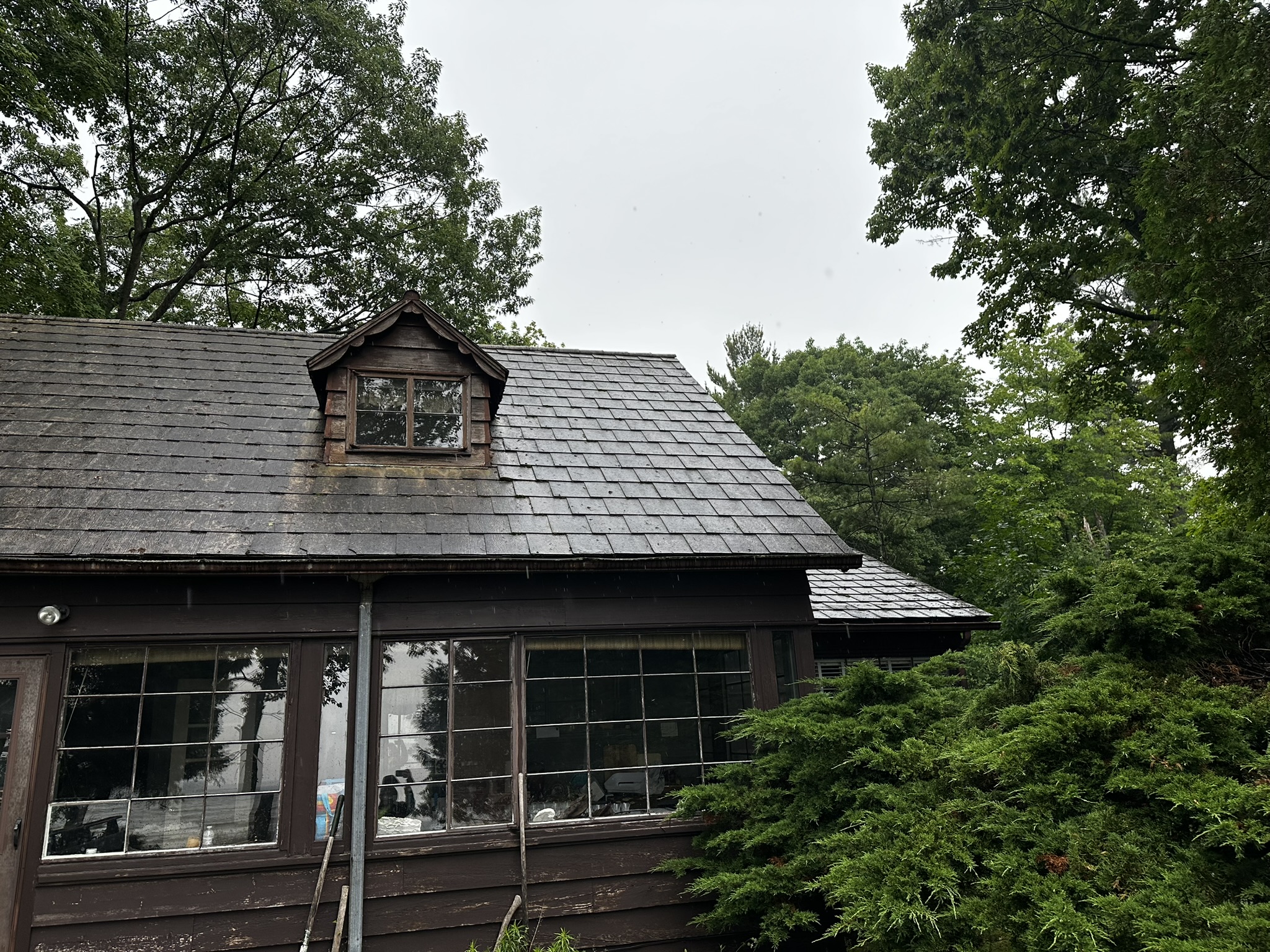
why pre-demolition inspections are required
It's Wisconsin Law
Wisconsin statutes require a pre-demolition asbestos inspection before:
- Demolishing any building or structure
- Renovating buildings (if demolition of materials will occur)
- Major remodeling projects
- Tearing down garages, sheds, or outbuildings
- Any project disturbing building materials
The law exists to:
- Protect workers from asbestos exposure
- Prevent asbestos fibers from contaminating the environment
- Ensure proper handling and disposal of hazardous materials
- Hold property owners and contractors accountable
The Consequences of Skipping the Inspection
If you demolish without an inspection:
- Project halted immediately – State inspectors can stop work on site
- Heavy fines – Penalties for non-compliance are substantial
- Legal liability – Exposure of workers or public to asbestos fibers
- Costly remediation – If asbestos is spread during demolition, cleanup costs skyrocket
- Permit issues – Future permits may be denied or delayed
Don't risk it. Get the inspection done right the first time.
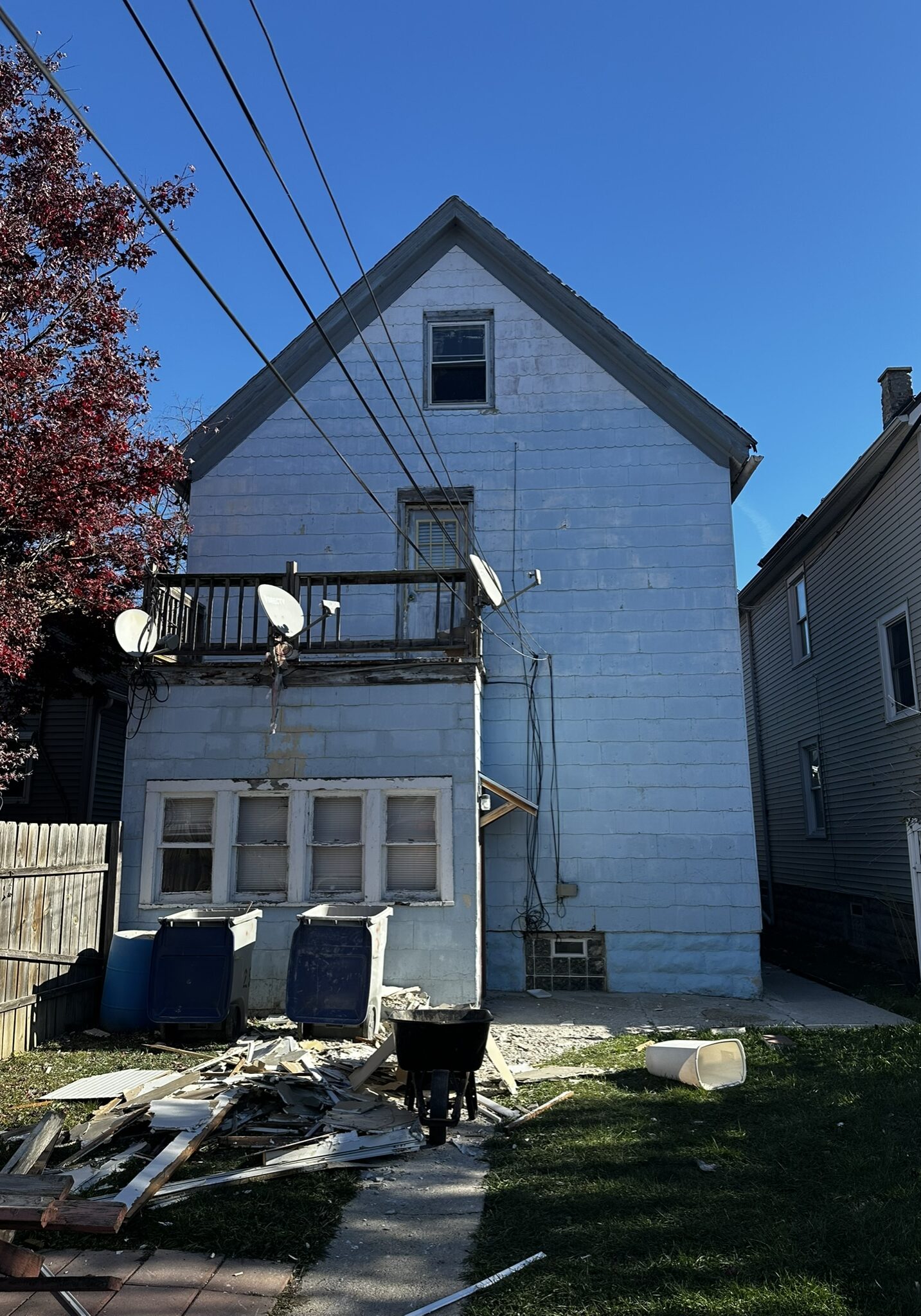
What materials may contain asbestos?
Asbestos was widely used in building materials from the 1940s through the 1980s. If your building was constructed before 1990, assume it contains asbestos until proven otherwise.
Common Asbestos-Containing Materials (ACMs):
Insulation:
- Vermiculite attic insulation
- Pipe insulation (white or gray wrapping)
- Boiler insulation
- Ductwork insulation
Flooring:
- Vinyl floor tiles (9x9 or 12x12)
- Sheet vinyl flooring
- Floor tile mastic (adhesive underneath)
Walls & Ceilings:
- Drywall joint compound (especially textured or "popcorn" finishes)
- Ceiling tiles (drop ceiling tiles)
- Textured wall coatings
- Plaster
Roofing & Siding:
- Asbestos cement shingles
- Asbestos siding panels
- Roofing felt
Other Building Materials:
- Window caulking and glazing
- Cement sheets
- Fireproofing materials
- Adhesives and mastics
We Sample Everything Except:
- Pure wood
- Pure metal
- Pure glass
- Pure fiberglass insulation
If it's not one of these four materials, we assume it could contain asbestos and we sample it. It is legal to assume that a material contains asbestos; it is NOT legal to assume that it does NOT contain asbestos!
The Inspection Process
Step 1: Initial Contact & Scheduling
Who Usually Calls:
- Homeowners planning renovation or demolition
- General contractors preparing for demo
- Property developers
- Insurance companies (after fire or storm damage)
What We Need to Know:
- Property address and type (residential, commercial, industrial)
- Scope of demolition or renovation
- Timeline for project start
- Access information
We Schedule Within:
- Usually within a few days of your call
- Faster for emergency situations (fire damage, structural collapse)
Step 2: On-Site Inspection (The Destructive Sampling)
Our Team Arrives and PPE is utilized during this process such as:
- Fit-tested respirators
- Full-body protective suits (Tyvek)
- Gloves and boot covers
We assume all materials contain asbestos until lab results prove otherwise. This protects our inspectors and prevents cross-contamination.
What We Do:
Walk-Through & Documentation:
- Photograph all sampling areas
- Identify all building materials of the samples being obtained
- Note locations and conditions
- Create detailed floor plan with sample locations and obtain room dimensions
Destructive Sampling:
- Yes, we must cut into materials – This is legally required for proper sampling
- Cut small sections of drywall, flooring, tiles, insulation, etc.
- Access all layers of material (e.g., if there are three layers of flooring, we sample all three)
- Use water to minimize dust during cutting
- HEPA vacuum the area after each sample
- Minimize damage while ensuring representative samples
Why "Destructive"? To properly test materials, we must cut through them to:
- Access underlying layers
- Get representative samples of each material
- Ensure we don't miss hidden ACMs
Homeowners should be prepared for some minor damage during sampling. This is necessary and required by law.
Sample Quantity:
- Small residential home: 18-30 samples
- Average residential: 30-50 samples
- Large residential or commercial: 50-100+ samples
- Complex buildings: 100+ samples
The number depends on:
- Building size
- Diversity of materials
- Number of rooms
- Different construction eras (additions built at different times)
Labeling & Chain of Custody:
- Each sample labeled with unique identifier
- Location and material type documented
- Samples sealed in bags
- Chain of custody form completed
Lab Selection:
- Samples sent to a laboratory that specializes in analyzing asbestos containing material
- State-certified lab
- Accredited for asbestos testing
- Chain of custody maintained
Step 3: Lab Analysis
Timeline:
- Standard: 2-5 business days, but depends on the number of samples to be analyzed
- Maximum by law: 7 days
- Rush service: Available if needed (additional cost)
Lab Analysis Method:
- Polarized Light Microscopy (PLM)
- Identifies asbestos fiber types
- Quantifies percentage of asbestos
- Meets EPA standards
- Additional types of testing can be performed, at an additional cost, for additional verification purposes
Result Categories:
- Negative: No asbestos detected
- Positive: Asbestos detected (with percentage)
- Non-Detect: Below detectable limits (treated as negative)
Step 4: Reporting & Next Steps
If Results Are Negative (No Asbestos):
- Formal inspection report sent to you
- Report includes all sample locations and results
- You can proceed with demolition with no concern of hazardous contamination
- Keep report for your records (required for permitting)
If Results Are Positive (Asbestos Detected):
- Formal inspection report sent detailing which materials contain asbestos, along with percentage of asbestos found and the type of asbestos mineral was discovered
- We provide abatement estimate
- We perform approximately 95% of our own abatement work (we don't need to subcontract)
- Timeline adjusted to include abatement
Report Contents:
- Executive summary
- Building description and photos
- Sample locations (floor plan with markers)
- Lab results for each sample
- Recommendations for abatement (if needed)
- Chain of custody documentation
Step 5: Abatement (If Asbestos Is Found)
Our Abatement Services: Since we perform our own abatement, you get:
- Single point of contact
- No subcontractor delays
- Coordinated scheduling
- One company responsible for entire process
Abatement Process:
- Obtain required permits (Wisconsin DHS and DNR notifications)
- Set up containment
- Remove asbestos-containing materials
- Dispose at certified landfill
- Air quality testing (clearance sampling), which is optional
- Final report and clearance certificate
Timeline for Abatement:
- Varies based on scope
- Simple projects: 1-2 days
- Complex projects: 1-2 weeks
- Permitting: 2-10 days (uncontrolled variable)
Total Timeline from Initial Call to Post-Abatement Clearance:
- 2-4 weeks for most projects
This includes inspection, lab results, permitting, abatement, and clearance testing.
Pricing & What to Expect
Transparent, All-Inclusive Pricing
Our pricing structure:
- On-site inspection fee – Covers inspector time, travel, equipment, sampling
- Lab analysis fee (per sample) – Covers laboratory testing of each material sample
Combined into one all-inclusive price.
Residential Projects of Inspection Plus Sampling: $750 - $1,400 (All-Inclusive)
Factors Affecting Cost:
- Size of home
- Number of materials to sample
- Complexity of access
- Number of rooms
Example:
- Small ranch home, single-level: ~$750-$900
- Average 2-story home: ~$1,000-$1,200
- Large home with multiple additions: ~$1,200-$1,400
Commercial Projects: $750 - $2,500+ (All-Inclusive)
Factors Affecting Cost:
- Building size (square footage)
- Number of floors
- Diversity of materials
- Commercial complexity (office vs. industrial vs. retail)
Example:
- Small commercial building: ~$750-$1,200
- Medium office building: ~$1,500-$2,000
- Large industrial facility: ~$2,500+
What's Included:
- State-certified inspector
- All sampling equipment and materials
- Destructive sampling of all materials (except wood, metal, glass, fiberglass)
- Water and HEPA vacuum for dust control
- All lab analysis fees
- Chain of custody documentation
- Comprehensive written report
- Photos and floor plans
- Recommendations
What's NOT Included:
- Abatement costs (if asbestos is found) – Quoted separately after inspection
- Repair of sampling damage (minor holes from sampling)
- Rush lab fees (if requested)
Payment Terms:
- Payment due upon completion of inspection
- Report released after payment received
- Accepted methods: Check, credit card, ACH
Timeline & Scheduling
Typical Project Timeline:
Week 1:
- Day 1: Initial call and scheduling
- Day 2-4: On-site inspection performed
- Day 3-4: Samples at lab
Week 2:
- Day 1-5: Lab results received (usually by Day 3)
- Day 6-7: Report prepared and sent
If Asbestos Is Found:
- Add 2-3 weeks for permitting and abatement
Total Time: 1-4 Weeks Depending on Results
When to Schedule:
Ideally:
- Schedule inspection before you finalize demolition dates
- Allow 2-3 weeks buffer in your project timeline
- Don't wait until the last minute
Emergency Situations:
- Fire damage requiring immediate demolition
- Structural collapse
- Insurance deadlines
We can often expedite inspections for true emergencies. Call us to discuss.
We Do NOT Inspect in Unsafe Conditions:
For safety reasons, we will not perform inspections when:
- Structure is unsafe (partial collapse, severe fire damage)
- Ice storms or extreme weather make access dangerous
- Electrical hazards exist
- Other safety concerns
If the structure needs to be stabilized before inspection, we'll work with you to schedule once it's safe.
Certifications, Licensing & Regulations
State Certification Required
Wisconsin Asbestos Inspector License:
- All inspectors must hold State certification
- Requires completion of EPA-approved training course
- Annual refresher courses required
- Subject to continuing education requirements
Our Inspectors:
- Fully certified at State level
- Trained in sampling techniques
- Experienced in identifying ACMs
- Up-to-date on regulations
Regulatory Oversight
Wisconsin Department of Health Services (DHS):
- Oversees asbestos regulations in Wisconsin
- Issues licenses and certifications
- Enforces compliance
- Conducts random inspections
- Imposes penalties for violations
- Works along with the Wisconsin Department of Natural Resources (who governs asbestos waste)
- Both parties can issue fines
Federal EPA Guidelines:
- Provides framework for state regulations
- Sets sampling and analysis standards
- Establishes disposal requirements
Legal Requirements for Property Owners
Before Demolition, You Must:
- Hire certified asbestos inspector
- Have all materials sampled and tested
- Obtain written report
- If asbestos found: Hire certified abatement contractor
- Obtain required permits (DHS and DNR notifications)
- Complete abatement before demolition
- Obtain clearance certificate after abatement
- Keep all documentation for your records
Contractors Cannot Proceed Without:
- Completed asbestos inspection report showing results
- Clearance certificate (if abatement was performed)
WHY CHOOSE US FOR YOUR PRE-DEMOLITION INSPECTION
We Perform 95% of Our Own Abatement
Unlike many inspection companies that only inspect and then refer you to subcontractors for abatement, we handle both:
Advantages:
- One point of contact throughout project
- No delays waiting for subcontractor availability
- Coordinated scheduling from inspection through clearance
- We know exactly what we found and how to remove it
- One company responsible for entire process
State-Certified & Experienced
- All inspectors hold Wisconsin asbestos inspector certification
- Annual refresher training completed
- Years of experience in residential and commercial properties
- Familiar with Wisconsin building materials and construction methods
Fast Turnaround
We understand construction schedules are tight:
- Inspections scheduled within days of your call
- Lab results typically in 2-5 business days
- Reports prepared and sent quickly
- Abatement can begin as soon as customer approval is granted and permitting allows
Comprehensive Reporting
Our reports include everything you need:
- Executive summary for quick reference
- Detailed sample locations with photos
- Floor plans marked with sample locations
- Lab results for each material
- Clear recommendations
- Chain of custody documentation
- All required regulatory information
Frequently Asked Questions
COMMON MYTHS & MISCONCEPTIONS
Myth: "My house is too new to have asbestos."
Reality: If your house was built before 1990, assume it has asbestos. Asbestos was banned in 1978, but contractors used existing stock for years. Materials manufactured in the early 1980s may still contain asbestos.
Myth: "I can just have my contractor check for asbestos."
Reality: Only state-certified asbestos inspectors can perform pre-demolition inspections. Your contractor cannot legally inspect or sample materials—even if they're experienced. You must be a Wisconsin State Certified Asbestos Inspector to conduct this inspection.
Myth: "If I'm careful during demo, I don't need an inspection."
Reality: Wisconsin law requires the inspection regardless of how carefully you plan to work. "Being careful" doesn't make asbestos fibers safe, and it doesn't satisfy legal requirements.
Myth: "I'll just skip the inspection and hope I don't get caught."
Reality: State inspectors conduct random checks. If caught, you face:
- Immediate work stoppage
- Heavy fines
- Potential criminal charges
- Costly remediation if asbestos was spread
- Difficulty obtaining future permits
- Razing a building is very public. Someone will see and know what is going on.
It's not worth the risk.
Myth: "Asbestos is only dangerous if there's a lot of it."
Reality: There is no safe level of asbestos exposure. Even small amounts can cause serious health problems years later. Any asbestos-containing material should be handled by certified professionals.
Ready To Schedule Your Pre-Demolition Inspection?
What Happens Next:
- Initial Consultation – We discuss your project, timeline, and property details
- Schedule Inspection – Usually within a few days
- On-Site Sampling – Comprehensive inspection with destructive sampling
- Lab Analysis – Results in 2-5 business days.
- Detailed Report – Complete documentation for your project
- Abatement (If Needed) – We handle everything from permitting to clearance
Timeline: Most projects from inspection to clearance certificate complete in 2-4 weeks.
Service Areas: We serve residential, commercial, and industrial properties throughout Wisconsin.
All inspectors are state-certified asbestos inspectors with annual training. Licensed and insured. Fully compliant with Wisconsin DHS and Wisconsin DNR regulations.
Disclaimer: This information is for general educational purposes. Specific project requirements may vary. Contact us for professional assessment of your property and project needs.